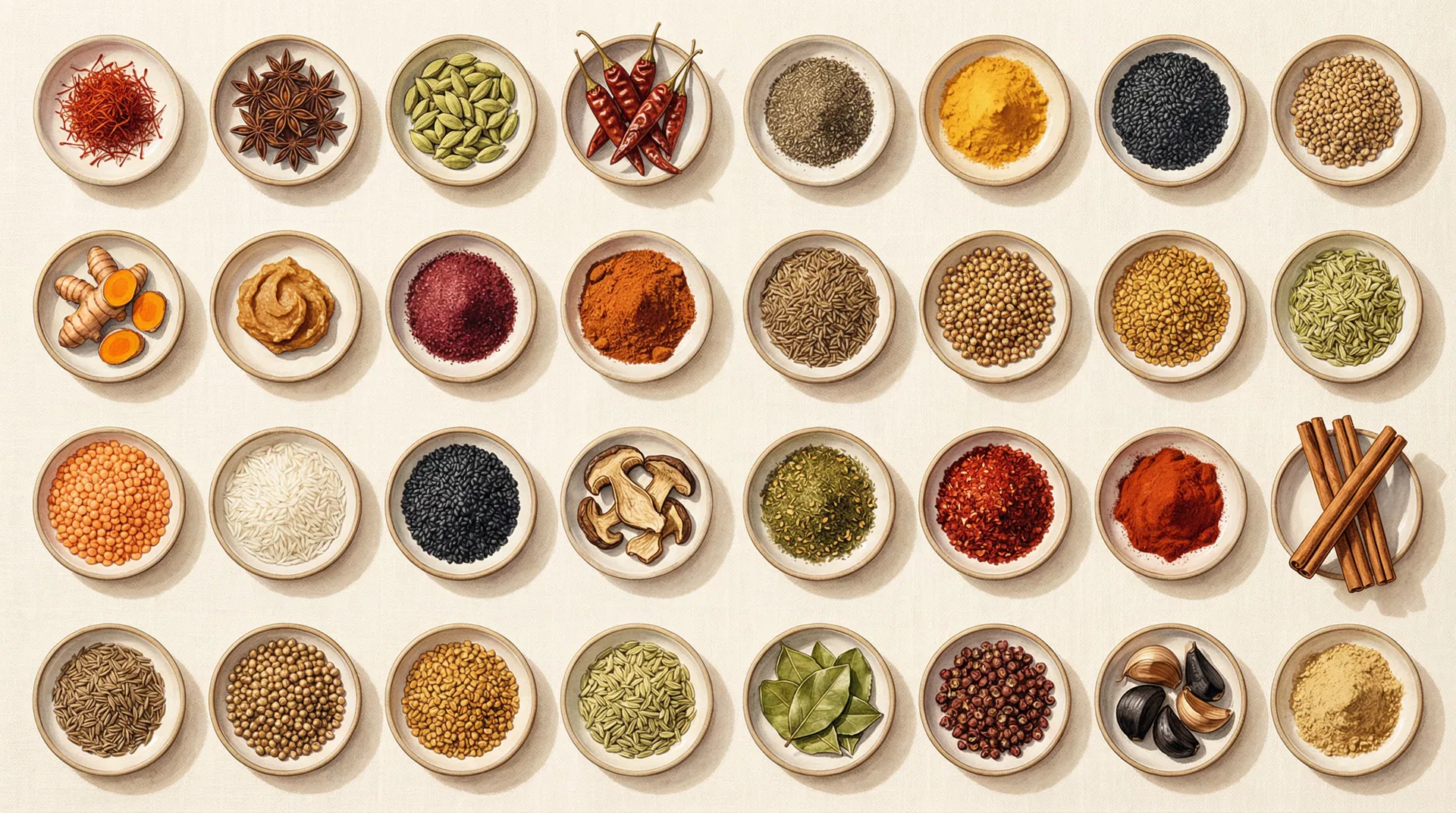
Every dish has a story.
Trace its roots.
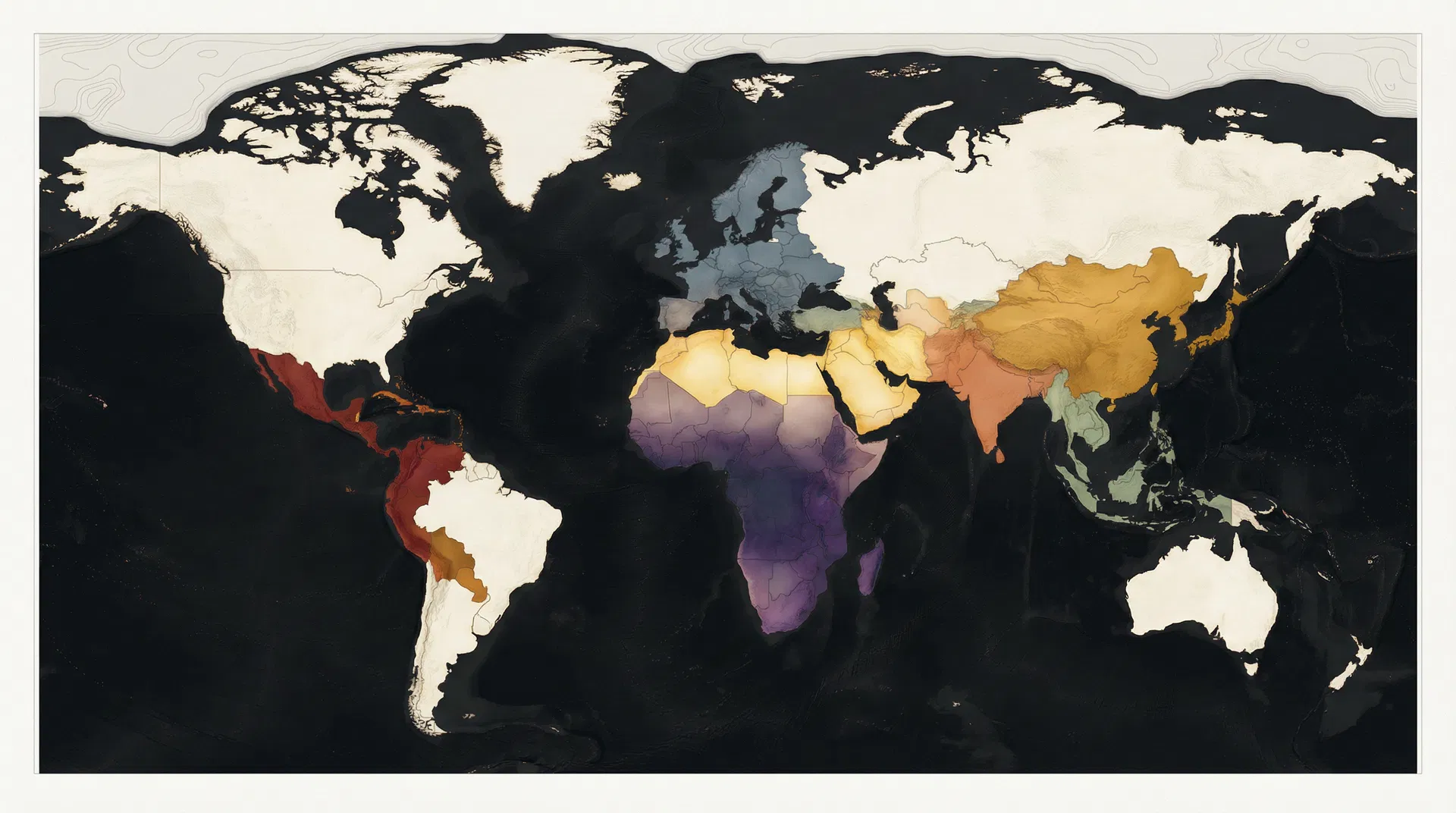
Recipe Roots maps the DNA of world cuisines — the ingredients, techniques, and historical connections that link a Moroccan tagine to a Persian stew, or a Jamaican jerk to a West African suya.
Recently updated dishes
Balut
filipino · Southeast Asia
Balut is a Filipino street food made from fertilized duck eggs incubated until the embryo develops, then hard-boiled and eaten straight from the shell. It is prized for its rich broth inside the egg and is commonly seasoned with salt, vinegar, and chili.
sushi
japanese · East Asia
Sushi is a traditional Japanese dish featuring vinegared rice paired with various fillings and toppings, commonly raw fish or seafood. It is celebrated for its delicate balance of flavors and artistic presentation, reflecting Japan's emphasis on seasonality and aesthetic harmony.
Doro Wat (adapted)
west african diaspora · North America
Doro Wat is a rich and spicy chicken stew traditionally from Ethiopia, here adapted within the West African Diaspora to incorporate local spices and cooking methods. It is known for its deep, complex flavors and cultural significance as a celebratory dish often served during communal gatherings and holidays.
gumbo
american southern · North America
Gumbo is a hearty, flavorful stew originating from Louisiana, characterized by a thick, roux-based broth with a mix of meats or seafood, vegetables, and the distinctive 'holy trinity' of Cajun and Creole cooking. It reflects the rich cultural melting pot of the American South, blending French, African, Spanish, and Native American influences.
Dulse snacks
canadian · North America
Dulse snacks are savory, chewy seaweed treats popular in Canadian Atlantic provinces. They offer a unique umami flavor and are cherished both as a nutritious snack and a traditional ingredient reflecting coastal dietary practices.
Fufu
ghanaian · West Africa
Fufu is a staple Ghanaian dish made by pounding starchy root vegetables into a smooth, elastic dough-like consistency. It is traditionally served with soups or stews and holds a central place in communal meals and cultural ceremonies.
Gaeng Daeng (Red Curry)
thai · Southeast Asia
Gaeng Daeng, or Thai Red Curry, is a rich, aromatic curry featuring a balance of spicy, sweet, and savory flavors. It is a staple of Thai cuisine, known for its vibrant red color from dried red chilies and creamy texture from coconut milk, often served with meat or tofu and vegetables. This dish exemplifies the Thai culinary philosophy of harmonizing bold and subtle tastes.
fried chicken
american southern · North America
Fried chicken is a beloved Southern American dish characterized by its crispy, seasoned battered exterior and juicy, tender meat inside. It holds cultural significance as a staple of Southern hospitality and comfort food, often featured at family gatherings and celebrations.
Explore culinary traditions
Afghan
Afghan cuisine is a rich blend of flavors influenced by Central Asian, Middle Eastern, and South Asian culinary traditions. It features hearty, aromatic dishes often centered around rice, meat, and a balance of spices. Meals emphasize hospitality and communal dining.
American Southern
American Southern cuisine is a rich and diverse culinary tradition rooted in the rural South of the United States. It combines Native American, African, and European influences, featuring hearty, comforting dishes often made with locally sourced ingredients. The cuisine is known for its bold flavors and strong sense of tradition.
Argentinian
Argentinian cuisine is renowned for its emphasis on high-quality beef and traditional grilling techniques, reflecting the country's strong cattle ranching heritage. It blends indigenous ingredients with European influences, particularly Italian and Spanish, resulting in a diverse and flavorful culinary tradition.
Armenian
Armenian cuisine is a rich and diverse tradition that reflects the country's geographical location and history. It features a combination of fresh herbs, grains, meats, and vegetables with a focus on hearty and wholesome dishes. The cuisine is known for its use of spices and preservation techniques.
Ashkenazi Jewish
Ashkenazi Jewish cuisine originates from the culinary traditions of Jews in Central and Eastern Europe. It features hearty, comforting dishes often prepared for religious holidays and family gatherings. The cuisine reflects a history of adaptation to local ingredients and religious dietary laws.
Azerbaijani
Azerbaijani cuisine is a rich and diverse culinary tradition combining Middle Eastern, Eastern European, and Caucasian influences. It emphasizes fresh herbs, seasonal vegetables, and a balance of spices, often featuring grilled meats and aromatic rice dishes. Meals are typically communal and showcase a variety of textures and flavors.
Bangladeshi
Bangladeshi cuisine is characterized by its rich use of spices, rice, and freshwater fish, reflecting the country's riverine landscape. It emphasizes flavorful, aromatic dishes often balanced with sweetness, heat, and sourness. Traditional meals feature a variety of curries, lentils, and seasonal vegetables.
Belgian
Belgian cuisine is known for its rich and diverse flavors, influenced by its geographic position and history. It features a blend of French, Dutch, and German culinary traditions, with an emphasis on hearty dishes, fresh seafood, and world-famous chocolates and beers.
Discover world cuisines by…
Cuisine is never created in isolation.
The Silk Road carried saffron from Persia to Spain. The Columbian Exchange brought chili peppers to India. The West African diaspora transformed Caribbean and American cooking. Every dish carries the memory of these journeys.
Explore the Foodways GraphThe Foodways Letter
Join our community of food lovers and scholars. Every month, Leena Trivedi-Grenier shares a deep-dive essay on a specific foodway, connecting the dots between history, culture, and flavor.
Join the LetterEvery dish has an ancestry composition.
Like 23andMe for food, Recipe Roots breaks down each dish's "culinary DNA" — showing what percentage of its ingredients and techniques come from which traditions. A bowl of ramen might be 70% Japanese, 20% Chinese, and 10% American.
Example: Ramen's culinary DNA composition